
Expressive Arts
How can you change what you don't know?
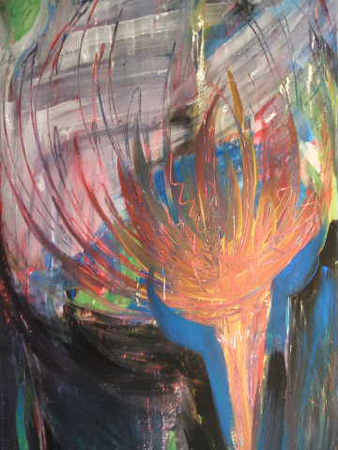
“Wow! this is more than I expected!” “Unusual and powerful!”
"Surprising.”
Sometimes language and words are not enough. Sometimes finding words is difficult. Young people in particular do not always have the articulation and understanding that is required to communicate their feelings and thoughts. Words in themselves can be limiting in the expression of feelings.
Life and art are connected in many metaphorical ways and levels. Expressive Arts invites us to explore ourselves and our senses in art-making. In a strong verbal world, the arts offer a wealth of non-verbal intelligence, helping to strengthen our creative power and deepen our relationship with life. The arts stimulate the brain neural-pathways in new ways of thinking, broadening new perspectives and insight.
In the doing of Expressive Arts, we can build on our inner wisdom and resilience. The action of doing could be an act of moving from being stuck.
You are not your brain, your brain functions on memories, social beliefs and habits. Once the connections are found, you can make changes.
Technical experience in art modalities is not necessary as the goal is to “ express” an emotion, self or situation. It is not to create an art piece, however, it is a way to shape an image for a new perspective. The client requires no formal art training. Expressive Arts are different than traditional talk therapy, in that it allows for process/goals to transpire in a non-verbal way.
In a session, the arts and psycho-education are used to assist the client. Elke uses a client-focused and solution-focused therapy approach. The arts by the maker, allow those feelings to be expressed and witnessed as they are being experienced by the maker.
Discoveries are made in the exploration.
Perspectives are unique & meaningful to the maker.
Benefits:
Problems seem to lessen.
Concerns and issues seem to find an easier resolution.
Life becomes quieter and more focused.
Greater enthusiasm for life develops.
Concentration and the ability to focus increase.
Enhanced understanding and empathy for oneself, others, and our environment develop.
Confidence and enthusiasm for learning increase.
Higher self-esteem and happiness are expressed.
Increased hope and confidence in our future with a global view emerge. (networking and socializing)
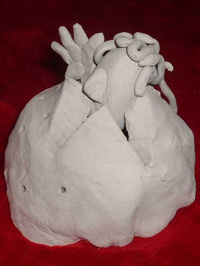
Participants can work on an issue, focus on creative play and/or stress relief. The focus could be artistic, emotional, sensory and /or aesthetic. The focus is totally dependent on the goal of the participant, the group and the workshop.
Privacy
Elke Scholz, MA, RP, REACE, Certified EMDR Therapist – in Canada and USA, respects and understands people’s right to privacy and confidentiality. Information can not be given out without informed consent. Please feel free to discuss our confidentiality process and procedures. We have a legal and professional obligation to report to the appropriate authorities only in cases where individuals are at risk to themselves or others, where there is a suspicion of child abuse, or as requested by court order.
Ready to take the next step?
Let Elke help you build resilience, restore balance, and embrace your full potential.
Call: 705-646-2300


© Copyright 2026. Elke Scholz, MA, RP, REACE. All Rights Reserved.